Chemical Peels in Miami: A Complete Guide to Skin Renewal at a Boutique Medspa
Looking for a chemical peel in Miami? This complete guide covers every peel type, what makes South Florida's climate a unique factor, and how to choose the right treatment for your skin — whether you're in Kendall, Coral Gables, South Miami, or Pinecrest.
Here in Miami, skin tells a story. Years of sun, humidity, and heat leave their marks — uneven tone, persistent pigmentation, rough texture, fine lines that appeared earlier than expected. For a growing number of patients in Kendall, Coral Gables, South Miami, and Pinecrest, a medical-grade chemical peel is one of the most effective tools for resetting that narrative.
But the word “peel” still gives some patients pause. The questions are understandable: Will I look like I shed my entire face? Is Miami’s climate safe for this kind of treatment? Can my skin tone handle it?
The short answer is yes — with the right formula, the right provider, and the right timing. Here’s everything worth knowing before booking a chemical peel in Miami.
What Is a Medical-Grade Chemical Peel?
A chemical peel is a controlled resurfacing treatment in which a professional-strength acid solution is applied to the skin, triggering the removal of damaged outer layers and stimulating new cell turnover and collagen production below the surface.
The distinction between an over-the-counter peel and a medical-grade one is significant. At-home formulas are designed to be safe for unsupervised use — which means they’re limited in depth and overall effect. Medical-grade peels are formulated for clinical application: higher acid concentrations, controlled penetration, and outcomes that simply aren’t achievable with a product you can buy online.
At SkinUp, every peel begins with a full skin assessment. Skin type, tone, history of pigmentation or sensitivity, current skincare routine, prior treatments, and even seasonal timing all factor into which formula and depth makes sense for each patient.
Types of Chemical Peels — and What They Actually Do
Chemical peels exist on a spectrum, from gentle surface-level refreshers to deeper corrective treatments. Understanding the differences helps set realistic expectations before committing.
Light (Superficial) Peels
Superficial peels use alpha hydroxy acids (AHAs) like glycolic acid or lactic acid, beta hydroxy acids (BHAs) like salicylic acid, or mandelic acid to gently resurface the outermost layer of skin. These are the entry point for most patients — minimal downtime (typically light flaking for a day or two), and they can be scheduled every four to six weeks as an ongoing maintenance protocol.
Light peels work well for:
- Mild acne and congested pores
- Dull, uneven skin tone
- Very fine surface lines
- Post-summer recovery after months of Miami UV exposure
- Skin preparation before a more significant treatment
A consistent series of superficial peels often delivers more cumulative improvement than a single dramatic procedure — and with essentially no disruption to daily life.
Medium-Depth Peels
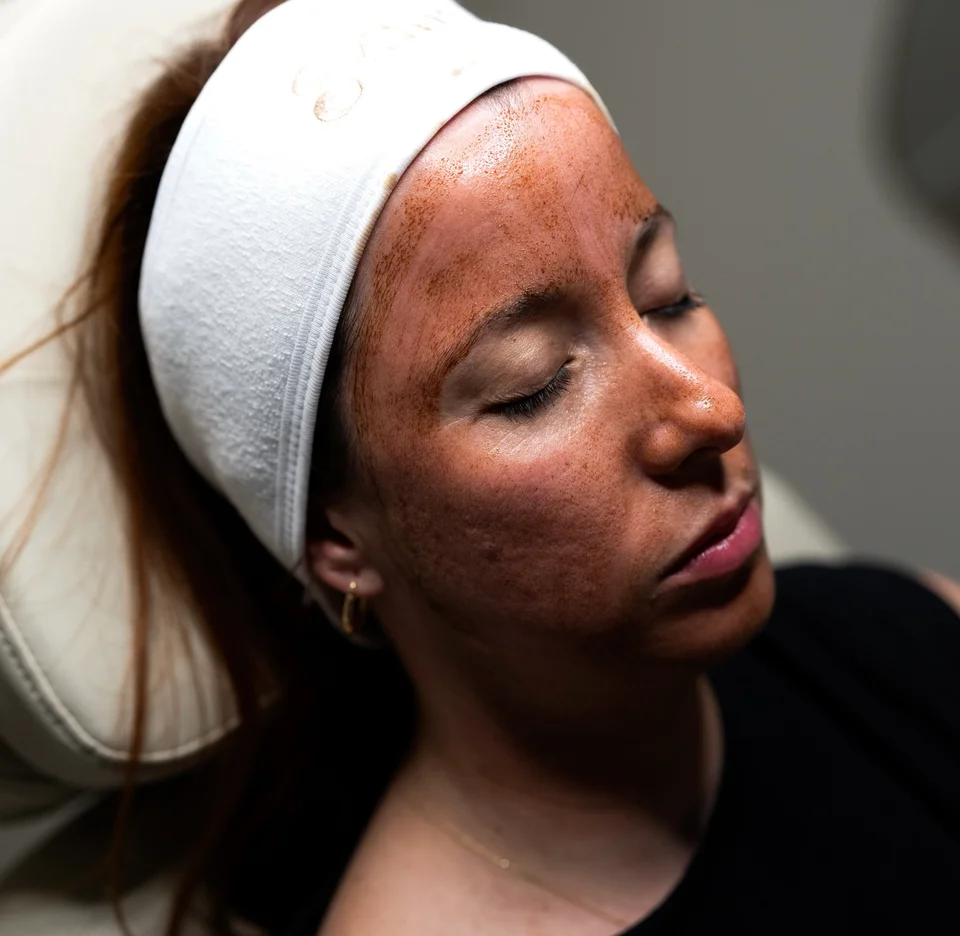
Medium peels use trichloroacetic acid (TCA) alone or in combination with Jessner’s solution to penetrate more meaningfully into the skin. The downtime is real — typically five to ten days of visible peeling, redness, and heightened sensitivity — but so are the results.
Medium peels are the most commonly recommended option for:
- Moderate hyperpigmentation and accumulated sun damage
- Melasma, with appropriate pre-treatment preparation and strict post-care sun protection
- Post-acne discoloration and mild textural irregularity
- Early skin laxity and surface lines
- Patients who want meaningful correction without the commitment of a deeper option
In Miami’s population — which includes a large proportion of patients with Latin American, Caribbean, and South American backgrounds where hyperpigmentation and melasma are common concerns — medium peels require careful pre-conditioning. The preparation phase matters as much as the peel itself.
Deeper Peels
Deep peels using higher TCA concentrations or phenol-based formulas are reserved for significant corrective goals: deep rhytids (wrinkles), severe sun damage, or substantial textural irregularity. They involve meaningful recovery — two to four weeks or more — and carry greater risks, including the possibility of long-term pigmentation changes.
At SkinUp, deep peel options are evaluated case by case, with a thorough discussion of recovery expectations, risks, and whether the patient’s specific goals are better served by the peel or by an alternative approach.
Why Miami’s Climate Changes the Chemical Peel Conversation
Miami is one of the most UV-intense cities in the United States, with an average UV index that stays high year-round. It is also one of the most humid, and that heat and moisture affect both how skin responds to treatment and how post-peel healing unfolds.
This matters for chemical peels in a few important ways.
Sun exposure after treatment. Chemical peels — even light ones — increase photosensitivity, sometimes significantly. In most U.S. cities, advising a patient to avoid direct sun for two weeks is a manageable ask. In Miami, it requires a real, specific plan: SPF 50 or higher reapplied consistently, protective clothing, scheduling outdoor activities around treatment windows, and honest self-assessment about daily sun exposure habits.
Seasonal timing. Light peels can be performed year-round in Miami with proper protection. Medium and deeper peels are generally better planned for the fall and winter months — October through March — when the UV index is meaningfully lower and outdoor exposure tends to be easier to manage.
Skin tone and hyperpigmentation. Miami’s patient population includes a high proportion of patients with Fitzpatrick type IV through VI skin — Cuban, Colombian, Venezuelan, Afro-Caribbean, and other Latin American and South American backgrounds where melanin-rich skin is the norm and hyperpigmentation is one of the most common presenting concerns. This is not a contraindication for chemical peels. It is a calibration requirement. With the right pre-conditioning protocol and correctly selected formula, these skin tones respond beautifully to chemical peeling. The failure mode is skipping the preparation phase or choosing a formula without regard for melanin sensitivity.
Post-peel healing in humidity. Miami’s humidity has a dual effect after a peel: it can help prevent the skin from drying out excessively, but it also creates conditions where improper aftercare can disrupt the healing process. Clear, specific aftercare instructions — and a provider you can actually reach with questions — matter.
Who Are the Best Candidates for a Chemical Peel in Miami?
Chemical peels work well for a wide range of concerns. The strongest candidates are patients dealing with:
Acne and post-acne marks. Salicylic acid peels address active acne and congestion. Glycolic acid and mandelic acid work well for fading post-inflammatory marks over time. More significant acne scarring may benefit from a medium-depth approach as part of a broader treatment plan.
Hyperpigmentation and uneven tone. Among the most common skin concerns across South Miami, Kendall, Coral Gables, and Pinecrest. Peels accelerate cellular turnover and gradually lift discoloration — most effectively when supported by a consistent home care regimen and daily SPF.
Melasma. A notoriously difficult condition, melasma responds best to a combination approach: a carefully selected peel formula, a structured pre-conditioning period (typically several weeks with retinoids and brightening agents), and strict, ongoing sun protection after treatment. Expecting a single peel to resolve melasma sets up unrealistic expectations; a well-planned protocol can deliver meaningful and lasting improvement.
Dull, congested, or rough-textured skin. Regular light peels are among the most consistent ways to maintain skin clarity and smooth texture over time — particularly valuable in a climate where heat and humidity contribute to ongoing congestion and surface buildup.
Fine lines and early signs of aging. Chemical peels stimulate collagen production and improve overall skin quality. Surface-level lines respond well; more pronounced aging concerns often call for combining peels with neurotoxins, biostimulators, or other skin treatments as part of a broader plan.
Accumulated sun damage. Years of Miami sun leave cumulative marks — uneven pigment, rough texture, subtle skin quality changes. A well-designed peel protocol can address that damage meaningfully over multiple sessions.
Chemical Peels in Context: How They Fit a Broader Treatment Plan
At SkinUp, chemical peels rarely exist in isolation. They’re most often part of a skin quality strategy that considers the full picture and may include:
Microneedling — for deeper textural irregularities and collagen stimulation, often alternated with peels on a complementary schedule for patients addressing acne scarring or significant texture concerns.
Neurotoxins (Dysport or Daxxify) — for expression lines and facial tension that surface resurfacing alone doesn’t address. Many patients benefit from both a skin-quality protocol and ongoing neurotoxin maintenance.
Biostimulators (Sculptra or Radiesse) — for structural volume loss that can’t be corrected through surface treatment, regardless of how consistent the peel schedule is.
Dermal fillers and regenerative options (RHA Collection, EZ-Gel) — for targeted volume, contour, and skin-quality support where appropriate.
Wellness support — IV therapy, vitamin injections, and medically supervised weight management are part of the same whole-patient picture. Skin quality is affected by hydration, nutrition, inflammation, and hormonal balance — factors that don’t get addressed by topical treatments alone.
The full consultation at SkinUp is designed to ask those broader questions, not just “what peel do you want?”
What to Expect When You Get a Chemical Peel at SkinUp
Before treatment. Depending on your peel depth and skin type, your provider may recommend a preparation period of two to four weeks using specific topicals — often a retinoid, a brightening agent, and SPF — to prime the skin and reduce the risk of post-inflammatory hyperpigmentation. This prep phase is especially important for medium-depth peels in patients with more melanin-rich skin.
During the treatment. The skin is thoroughly cleansed and prepped. Your provider applies the peel solution in controlled layers, monitoring your skin’s response throughout. Light peels produce mild tingling or warmth. Medium peels involve more noticeable sensation, which your provider manages carefully. The appointment typically takes 30 to 45 minutes.
Immediately after. A neutralizing agent is applied when needed, followed by soothing, barrier-supportive products and SPF. You’ll leave with detailed aftercare instructions and a clear sense of what to expect in the days ahead.
The days following. Light peels may cause only mild flaking for a day or two — most patients can return to work the same day. Medium peels produce more visible peeling beginning around day two or three, lasting five to seven days. During this period, gentle care is essential: avoid harsh actives, resist the urge to pick or manually peel the skin, and maintain strict sun protection.
The results. Clearer tone, smoother texture, reduced pigmentation, and a more refreshed overall appearance — with continued improvement unfolding over the weeks following treatment as new skin cells mature.
Choosing a Chemical Peel Provider in Miami
A few things to look for when evaluating where to get a chemical peel in the South Miami area — whether in Kendall, Coral Gables, South Miami, or Pinecrest:
Provider qualifications. The professional applying your peel should be a licensed medical practitioner — an NP, PA, or RN working under physician oversight — with specific training in chemical peel protocols. Medium and deeper peels are clinical procedures, not cosmetic treatments.
A real consultation. A thoughtful provider evaluates your full skin picture before recommending any formula or depth. If a practice recommends a specific peel before asking about your skin history, pigmentation pattern, or current routine, that’s a meaningful flag.
Experience with your skin tone. In Miami, this is especially important. Your provider should be comfortable discussing hyperpigmentation risk, pre-conditioning requirements, and the specific protocol modifications relevant to melanin-rich skin.
Structured aftercare. What happens after the peel matters enormously to the final result. Clear instructions, accessible follow-up, and a provider who takes post-treatment questions seriously are hallmarks of a practice that values long-term outcomes over appointment volume.
Chemical Peels at SkinUp in Kendall — Serving Coral Gables, South Miami & Pinecrest
SkinUp Aesthetics & Wellness is located at 9789 SW 72nd St in Kendall, Miami — a 10 to 15 minute drive from Coral Gables, South Miami, Pinecrest, and Westchester. Our approach to chemical peels reflects the same philosophy we apply to every treatment: a full evaluation first, a personalized selection of formula and depth based on what your skin actually needs, and aftercare that doesn’t end when you leave the room.
Consultations are available in English and Spanish. For patients from the Cuban, Colombian, Venezuelan, and broader Latin American and Caribbean communities that make South Miami what it is, a bilingual, culturally aware consultation isn’t a bonus — it’s the standard of care.
If you’ve been thinking about a chemical peel in Miami and aren’t sure where to start, a consultation is the right first step. We’ll look at your skin in full, ask the questions that matter, and build a plan that’s designed around your goals, your schedule, and how Miami actually lives.
Learn more about chemical peels at SkinUp.