Hyperpigmentation Treatment in Miami: Dark Spots, Melasma & Uneven Tone — What Actually Works
Struggling with dark spots, melasma, or uneven skin tone in Miami? Learn which hyperpigmentation treatments work best for your skin type, why Miami's year-round UV makes it worse, and how SkinUp creates personalized protocols for all skin tones in Kendall, Coral Gables, and South Miami.
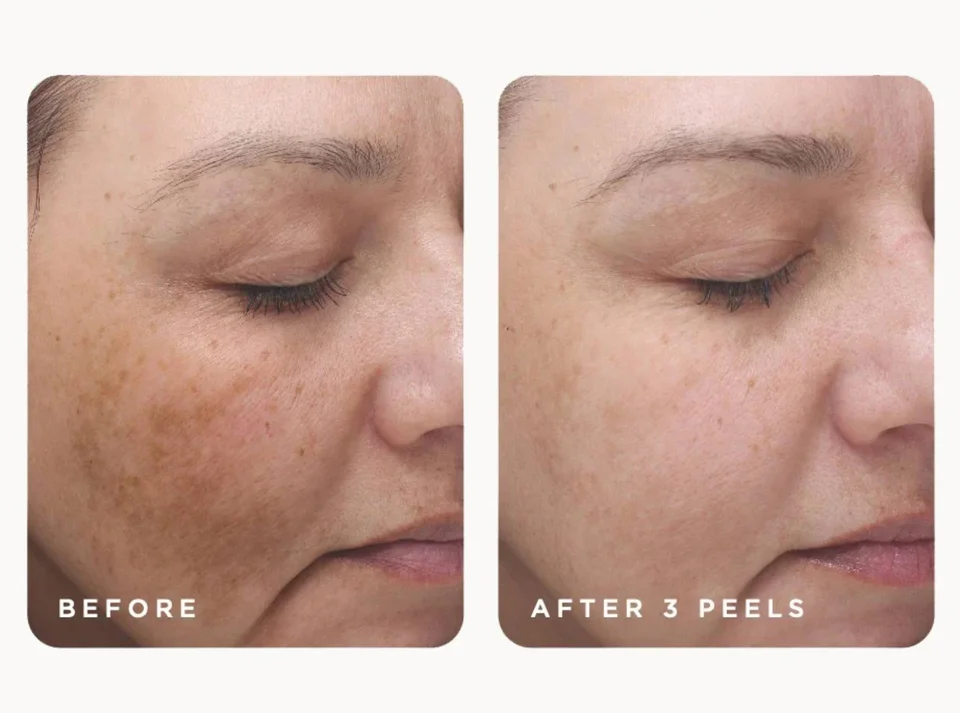
If you live in Miami and deal with dark spots, uneven skin tone, or melasma — you are not imagining it. Hyperpigmentation is one of the most common skin concerns we see at SkinUp Aesthetics & Wellness in Kendall, and it is one of the conditions Miami’s environment makes genuinely more difficult to manage. Year-round UV exposure, intense heat, and the hormonal factors that affect many women in our community all work against you.
The good news: hyperpigmentation is treatable. The key is understanding which type you have, which treatments actually work, and how to build a plan that accounts for Miami’s unique conditions — and your unique skin.
This guide walks through everything you need to know, from the science of why dark spots form to the specific protocols we use for patients across Kendall, Coral Gables, and South Miami.
What Is Hyperpigmentation, and Why Does It Happen?
Hyperpigmentation is the umbrella term for any area of skin that appears darker than your natural tone. It happens when melanocytes — the cells responsible for producing pigment — become overactive and produce excess melanin in a concentrated area.
The result varies depending on the trigger, but the underlying mechanism is the same: an imbalance in how your skin manages pigment production.
There are three main types, and each responds differently to treatment.
Melasma
Melasma appears as brown or grayish patches, typically on the cheeks, forehead, upper lip, and nose. It is symmetrical, borders are irregular, and it tends to be chronic — meaning it improves with treatment but has a well-known tendency to return.
Melasma is primarily hormonal. Estrogen sensitizes melanocytes to UV light, which is why it appears or worsens during pregnancy, with oral contraceptives, or during hormonal therapy. Research has documented elevated estrogen as a consistent finding in female melasma patients — one study found elevated levels in nearly three-quarters of those studied.
This is also why melasma is disproportionately common among Hispanic and Latina women — a significant portion of Miami’s population. The combination of hormonal predisposition, genetic skin type, and Miami’s relentless sun creates ideal conditions for melasma to appear and persist.
Post-Inflammatory Hyperpigmentation (PIH)
Post-inflammatory hyperpigmentation is the dark discoloration that follows skin injury or inflammation. Acne breakouts, cuts, rashes, waxing reactions, and even overly aggressive skin treatments can all trigger PIH. The inflammation activates melanocytes, which deposit pigment as part of the healing process.
PIH tends to fade more reliably than melasma over time — but in Miami’s UV environment, it can persist longer than expected without treatment, because sun exposure re-stimulates the affected melanocytes.
PIH is also more visible and more likely to persist in deeper skin tones, which matters clinically when selecting treatments.
Solar Lentigines (Sun Spots / Age Spots)
Solar lentigines are flat, well-defined brown patches that develop from cumulative UV exposure over years. They’re most common on the face, hands, and décolletage — areas with the most lifetime sun exposure. Unlike melasma, they are not hormonally driven, and they tend to respond well to treatment.
Why Miami Makes Hyperpigmentation Harder to Manage
Miami has one of the highest UV indices in the continental United States. From April through August, the UV index regularly reaches 10–11 — classified as “extreme” — meaning unprotected skin can sustain damage in under 20 minutes. Even in the cooler months of November through January, the UV index remains elevated compared to most of the country.
This matters enormously for hyperpigmentation because UV exposure is the primary stimulus for melanin production. Every time your skin absorbs UV radiation, melanocytes respond by producing more pigment. For patients managing melasma or PIH, this means that even a brief, unprotected walk to the car can undo weeks of treatment.
Sustained hyperpigmentation management in Miami is not just about what you do in-office. It is fundamentally about what you do every single day with sun protection. Treatment clears the existing pigment. Daily SPF 50+ keeps it from coming back.
Which Treatments Actually Work
At SkinUp, we approach hyperpigmentation the same way we approach every concern — with an honest assessment of what will genuinely produce results for your skin and your life. Not every patient needs the same approach. Here is what we offer and what the evidence supports.
Chemical Peels: The Foundation of Hyperpigmentation Treatment
Chemical peels are the most reliable in-office treatment for hyperpigmentation, and they are what most patients begin with at SkinUp. The mechanism is straightforward: controlled chemical exfoliation removes pigmented surface cells, interrupts the pigmentation cycle, and triggers fresh, more evenly-toned skin to emerge.
The type of peel matters significantly — especially for patients with deeper skin tones.
For lighter to medium skin tones (Fitzpatrick I–III): Glycolic acid peels in the 20–35% range are effective and well-tolerated. TCA peels at appropriate depths can address more stubborn pigmentation.
For medium to deeper skin tones (Fitzpatrick III–VI): Mandelic acid (25–50%) is the safest option. Its larger molecular size means it penetrates slowly and evenly, which reduces the risk of triggering post-inflammatory hyperpigmentation in melanin-rich skin. Lactic acid peels are also a gentle, effective alternative. We approach TCA with significant caution in deeper skin types, as improper application can worsen pigmentation rather than improve it.
This distinction is exactly why the consultation matters as much as the treatment itself. The wrong peel on the wrong skin does more harm than good.
Most patients benefit from a series of 4–6 chemical peels spaced 3–4 weeks apart. Lighter peels require more sessions but offer less downtime. Deeper corrective peels may achieve more in fewer sessions but come with 5–7 days of visible peeling. We work with your schedule and skin to find the right balance.
What to expect: Your provider cleanses and preps the skin, applies the peel solution in controlled layers, and monitors your skin’s response throughout. You’ll feel mild warmth or tingling. A soothing protocol follows, along with detailed aftercare instructions. Visible results build over the series.
Microneedling: Improving Skin Quality and Tone
Microneedling creates controlled micro-channels in the skin, triggering the body’s natural collagen and elastin response. While microneedling is not primarily a hyperpigmentation treatment, it meaningfully improves overall skin quality, tone uniformity, and texture — and it is exceptionally safe across all skin types, including darker complexions.
At SkinUp, we can apply brightening serums during the microneedling session, taking advantage of the enhanced absorption that micro-channels provide. This makes the combination more targeted for pigmentation concerns than microneedling alone.
Research shows statistically significant improvement in pigmentation scores for patients with darker skin types who undergo microneedling — without the post-inflammatory hyperpigmentation risk that lasers and deep peels carry. Sessions are typically spaced 6–8 weeks apart for deeper skin tones to allow full recovery between treatments.
Microneedling works best as part of a protocol alongside chemical peels rather than as a standalone pigmentation treatment. Patients who combine both consistently see more comprehensive improvement in both pigmentation and texture than with either treatment alone.
Glutathione Injections: Antioxidant Support from Within
Glutathione is the body’s master antioxidant — a tripeptide synthesized naturally in cells and critical for managing oxidative stress. At SkinUp, we offer glutathione as an intramuscular injection as part of our vitamin and wellness injection menu.
Glutathione plays a role in melanin metabolism: it can influence the balance between eumelanin (darker) and pheomelanin (lighter) production by acting on melanogenic pathways. It also supports cellular repair and reduces the oxidative stress that can worsen inflammatory skin conditions.
We are honest with our patients about the evidence here. Injected glutathione works best as a complementary wellness approach — a way to support overall antioxidant status, cellular health, and skin clarity — rather than a standalone pigmentation treatment. For patients committed to a comprehensive protocol, adding glutathione injections can be a meaningful complement to in-office treatments.
IV Therapy: Systemic Skin Support
SkinUp’s IV therapy menu includes formulations with antioxidant and skin-supporting nutrients, including vitamin C and glutathione. Vitamin C is a well-established tyrosinase inhibitor — meaning it directly interferes with one of the key enzymes in melanin production. Delivered intravenously, it achieves concentrations that oral supplementation cannot match.
IV therapy is a wellness-integrated approach to skin support, not a primary treatment for hyperpigmentation. But for patients who are also focused on overall skin health, energy, and vitality, it can be a meaningful complement to in-office skin treatments.
Which Treatment for Which Type of Hyperpigmentation?
| Type | First-Line Treatment | Complementary Options | Key Consideration |
|---|---|---|---|
| Melasma | Chemical peels (series) | Microneedling, IV antioxidants | Hormonal triggers must be managed; maintenance ongoing |
| Post-Inflammatory Hyperpigmentation | Chemical peels; microneedling | Glutathione injections | Gentler peel acids preferred; avoid aggressive treatments |
| Solar Lentigines (sun spots) | Chemical peels | Microneedling | Responds well; excellent prognosis with sun protection |
Melasma requires the most nuanced management. Because it is hormonally driven, treating the pigment alone is not sufficient — patients who don’t also manage sun exposure and, where appropriate, discuss hormonal factors with their provider often see recurrence within weeks of completing a peel series.
The One Non-Negotiable: Daily SPF 50+
This bears repeating, plainly: no treatment for hyperpigmentation will produce lasting results without consistent, daily SPF 50+ use. Period.
In Miami, this is more true than anywhere else. UV rays are present every day of the year. Even on overcast days, up to 80% of UV radiation penetrates cloud cover. Driving in a car without window film, sitting near a window — all of these provide meaningful UV exposure.
For melasma specifically, tinted mineral sunscreens with iron oxides provide superior protection compared to standard SPF alone, because they block visible light as well as UV — and visible light can independently trigger melanin production.
At SkinUp, we build sun protection guidance into every treatment protocol, because the most sophisticated in-office plan will underperform without the right daily foundation.
The SkinUp Approach to Hyperpigmentation in Miami
One of the realities of practicing in Miami is that we see patients across all skin tones — Fitzpatrick I through VI — and that diversity means our protocols cannot be uniform. A peel appropriate for one patient can cause PIH in another. An aggressive series that works beautifully for a lighter complexion can set back progress in a deeper one.
At SkinUp Aesthetics & Wellness in Kendall, every hyperpigmentation consultation starts with an honest skin assessment: what type you have, what your skin tone requires, what’s driving the pigmentation, and what your lifestyle actually allows in terms of downtime and sun protection commitment. We build your plan around all of those factors, not just the treatment we perform most.
We also serve patients from across the south Miami area — Coral Gables, South Miami, Pinecrest, and Westchester. Our Kendall location at 9789 SW 72nd St is a 10–15 minute drive from Coral Gables along SW 72nd Street or US-1. Many of our patients from Coral Gables and South Miami come specifically for hyperpigmentation and skin treatment care, often after experiences at higher-volume practices where the approach felt too standardized for their skin.
What Results to Expect and When
After 1-2 chemical peels: Improved brightness, some reduction in surface-level spots. Skin looks fresher. Deeper pigmentation has begun to lift but is not fully resolved.
After a full series (4–6 peels): Meaningful improvement in overall evenness, substantial reduction in superficial dark spots, and a visible difference in skin clarity and tone. Solar lentigines typically show excellent response. Melasma shows significant improvement but may need ongoing maintenance.
At 3-6 months, with continued sun protection: Continued improvement as the skin fully cycles and fresh, evenly-pigmented cells reach the surface. Patients who commit to both in-office treatment and daily SPF consistently see their best results in this window.
Results vary depending on the depth of pigmentation, skin type, consistency of sun protection, and whether underlying hormonal factors are managed. We are transparent about this from the first consultation.
Ready to Build Your Hyperpigmentation Protocol?
Hyperpigmentation is a condition that responds to the right plan — but it takes more than a single treatment and patience. It takes the right approach for your specific skin, appropriate sun protection, and a provider who understands the full picture.
At SkinUp Aesthetics & Wellness in Kendall, Miami, we take that approach seriously. We serve patients from Coral Gables, South Miami, Pinecrest, and across the Miami metro, and we build personalized protocols for every skin tone and every type of pigmentation concern.
If you’re ready to address dark spots, melasma, or uneven tone with a plan designed around your skin, we’d welcome the conversation. Schedule a consultation and let’s start building something that actually lasts.
References & Further Reading:
- Melasma — StatPearls / NCBI Bookshelf
- Pigmentation Disorders: Diagnosis and Management — American Family Physician
- Chemical Peel Safety and Efficacy in Darker Skin — JCAD
- Microneedling for Pigmentation in Darker Skin Tones — PubMed
- Glutathione as a Skin-Brightening Agent: Evidence Review — Indian Journal of Dermatology, Venereology and Leprology
- Hormonal Factors in Melasma — PMC